René Magritte
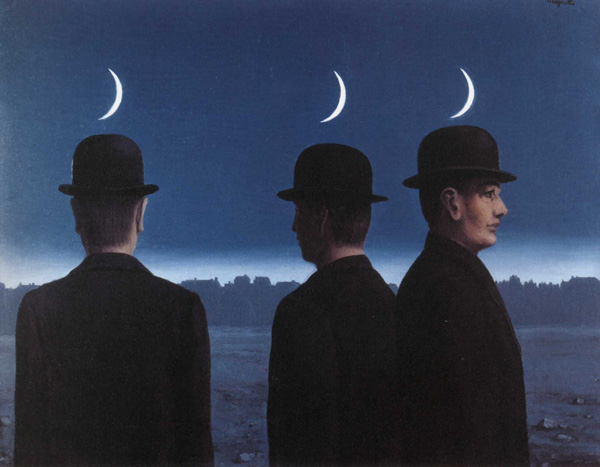
René Magritte (1898 – 1967) is considered the most important painter of Belgian Surrealism.
After early stylistic attempts close to Futurism and Cubism, Magritte found his own voice on discovering the art of Giorgio De Chirico, which in his words ”represented a clean break with the mental habits of artists imprisoned by talent, by virtuosity and by all the little established aestheticisms: a new way of seeing.“
Magritte’s world
Magritte used trompe l’oeil to create extremely realistic figurative works. This is Dreamlike Illusionism, a game of figurative and poetic talent that earned him the name of saboteur tranquille: his astonishing ability to paint the real is used to call into question the very reality of things.
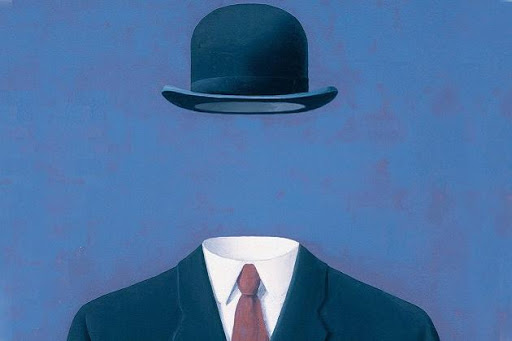
In Magritte’s canvases we find a surreal world in which objects and characters become metaphors for a world that even today cannot be fully defined.
Magritte turns the meaning of things upside down, depicting them in all their exactness in a theatre of image and thought, playing with our eyes and our convictions and creating a “visual short circuit”.
In this game between artist and viewer, the titles of the works take on an important role: they are often disorienting, and become the subtext through which to look at the work, a line to follow that is not rational and logical but poetic, as we enter each of his paintings with admiring bewilderment.
Magritte has the ability to make us all feel a little like children again; nobody is ever fully prepared, and this is what keeps me dreaming about the works of this painter, a little surrealist, a little metaphilosophical and a little childlike.
Would you like to have a Magritte painting with you always?
Discover the House of Arts products inspired by the works of the most surrealist artist there is!